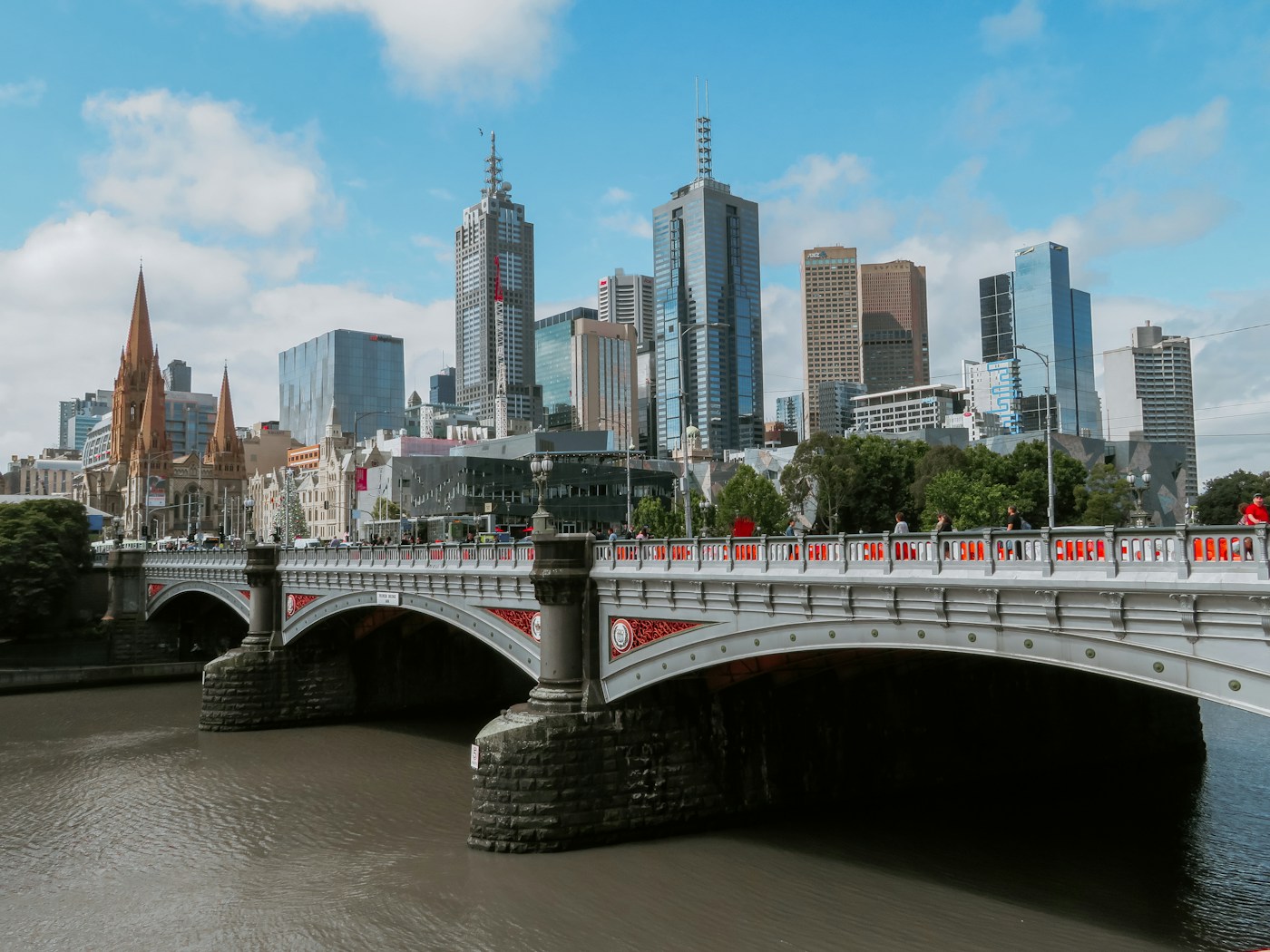
Melbourne, a culture led city reportAustralia · population 5.08 million · index 8.5 of 10
An independent report on living in Melbourne, scored across cost, safety, weather, jobs, healthcare, education, transport, and twelve more axes. No tourism board input. No paid placement.
8.5
Index Score
Melbourne, AustraliaCover · The City Report
№ 01 , The Quick Take
Melbourne in 200 words.
Melbourne scored 8.5 on the everycity index in 2026, holding inside the upper tier of the global table at near parity with Sydney on the headline figure but with a meaningfully different cost and culture profile. The headline numbers: rent on a one bedroom in the inner suburbs runs 540 AUD a week (2,340 a month, 1,540 dollars), the monthly all in cost lands at 3,250 dollars for a single resident, the income tax position runs progressive 0 to 45 percent plus the 2 percent Medicare levy, and the safety score is 8.5 on the same 10 point scale we apply to Tokyo, London, and New York.
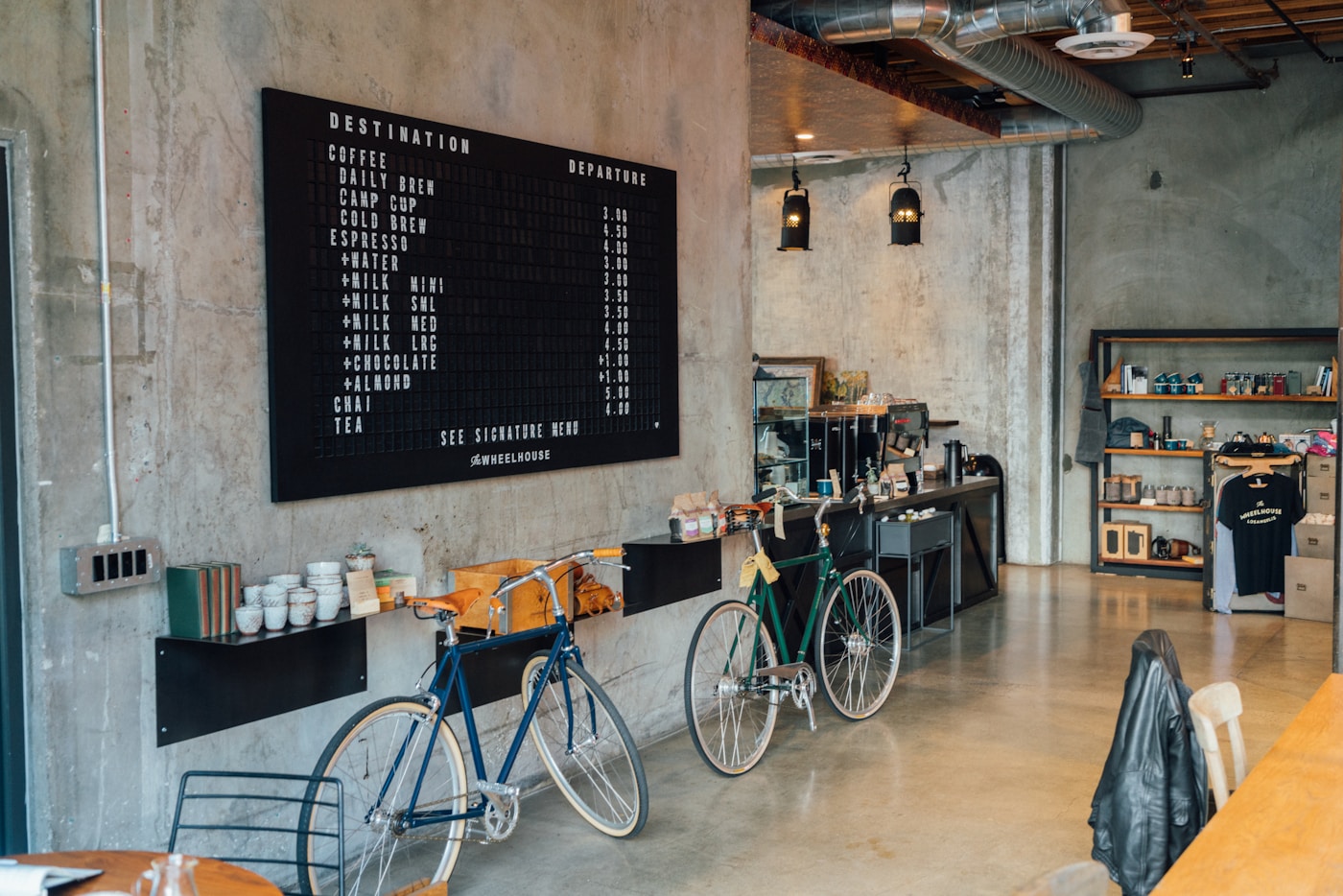
The case for Melbourne: a denser cafe and laneway culture than any other Anglosphere city, the most cycle ready major Australian capital, lower rent than Sydney across most comparable neighborhoods, and a tram network that carries half a million passengers a day across a still flat central grid. The case against, when there is one, is named below in section 12. The full numbers run by category through this report. If you want the comparison view instead, start with Melbourne vs Sydney or Melbourne vs Singapore, then return here for the deep read.
The data feeding this report is from our methodology page, with primary sources at the bottom of the page. Numbers are May 2026 unless stated otherwise. Currency is the Australian dollar, with USD conversion in parentheses where useful.
One reading note. This is the long form report. If you only want the headline numbers, the city score generator returns the index figure with custom weights in 30 seconds. If you want the comparison view across two cities, the Melbourne vs Brisbane page is the first stop. If you want the full continent context, Oceania places Melbourne on the regional table. The cross references inside this page run thick deliberately. Skim the section eyebrows in the left margin and jump to the section that matches the question you came with.
For new readers: this report sits inside Volume 04 of the everycity atlas, our 2026 issue. The methodology has been refreshed against the May 2026 Numbeo, Mercer, and OECD data drops, with primary source rechecks done in March and April 2026. Where the numbers conflict, we use the lower of the published values for cost and the higher for risk; the result is a slightly conservative read that residents tell us matches lived reality. The next refresh ships August 2026.
№ 02 , Cost of Living
The monthly arithmetic.
Twelve line items priced in May 2026 for a single resident living in a central one bedroom. Family of four numbers run 2.4 times the single resident figure.
Line item
Single, 1 bed
Family of four
Rent, central one bedroom2,340 AUD/mo
Rent, suburban two bedroom2,650 AUD/mo
Family three bedroom rent3,950 AUD/mo
Groceries, single365 dollars
Groceries, family955 dollars
Family monthly grocery955 dollars
Public transport pass (Myki)175 dollars
Utilities, average150 dollars
Internet, NBN 25078 dollars
Coffee, take away4.20 dollars
Beer, supermarket3.80 dollars
Beer, bar8.50 dollars
Dinner for two, mid85 dollars
Gym membership55 dollars
Mobile phone plan32 dollars
Total monthly all in for a single resident in an inner suburbs one bedroom: 3,250 dollars. That puts Melbourne 18 percent below Sydney, slightly below London, and meaningfully below Amsterdam on the same May 2026 basis. For the family of four equivalent, multiply by 2.4 and you reach 7,800 dollars before private school, which is the line item that changes the math.
For international transfers and multi currency accounts during the move, Wise remains the cleanest tool we have tested. The rate it gives on a USD to AUD or GBP to AUD conversion is consistently within 0.4 percent of the mid market rate. Booking the first month in a serviced apartment through Booking.com while you find a long term contract is the standard play. See the 2026 cost of living report for the city by city table.
Reader question we get often: how do Melbourne costs compare on a purchasing power basis. The cost converter tool takes a salary in your home city and tells you what equivalent number you would need in Melbourne to maintain the same standard of living, adjusted for tax and currency. Bookmark it before you accept the offer.
Three quiet costs new residents tend to underestimate in Melbourne: the rental bond of four weeks rent upfront plus two to four weeks rent in advance (so total cash outlay on day one is six to eight weeks); the cost of furnishing in a city with limited cheap chain options outside IKEA, which lands at 4,200 to 8,500 dollars to set up a one bedroom; and the seasonal heating cost, which can run 220 to 380 dollars a month in older Victorian terraces during a Melbourne winter. Budget the move at 1.5 times the headline rent, and pad another month of all in costs as a buffer for the first six weeks while contracts get sorted. The relocation checklist has the line by line.
Salary equivalent
What does your salary need to look like in Melbourne?
Equivalent in Melbourne
$3,575
Adjusted for cost of living, tax position, and currency. Recalculated against a 3,250 dollar a month baseline.
№ 03 , Safety
A 10 point read on streets, day and night.
Melbourne scored 8.5 overall. The breakdown matters more than the headline.
Overall8.5
Solo female, day8.7
Family with kids8.9
After dark, central7.7
Compared with the rest of the index, Melbourne sits in the upper third on all four safety axes, with petty theft in central Melbourne and on certain late night sections of the tram network the most variable. The safest cities ranking places Tokyo at 9.6 and Singapore at 9.5 as the top of the global table; for comparison with London at 7.4 and Sydney at 8.6, Melbourne ranks favorably across most categories.
Practical notes for new residents: violent crime is rare across most of the metropolitan area, the public transport network is clean and well lit through to late evening, and the inner suburbs are well policed. Carry an international policy from SafetyWing for the first six months while your local Medicare enrollment processes and your private cover settles. The full safety methodology is on our methodology page. The solo female safety ranking and family safety ranking show how Melbourne compares on those axes specifically.
The four categories that make up the overall safety score are: violent crime, property crime, traffic safety, and emergency response time. Melbourne is strongest on emergency response and weakest on property crime in the central business district where retail and vehicle theft are concentrated. The Melbourne safety deep dive walks the four categories with the underlying data from the Victoria Police statistics office and the EIU index.
№ 04 , Weather
The climate in plain numbers.
temperate oceanic, Cfb under Koppen, 79F summer highs, 43F winter lows, 65 percent humidity year round, four seasons in one day as the local saying goes.
The best months to live in Melbourne are October, November, March, April. The worst, in our reader survey, was July for the cold (Melbourne winters genuinely surprise residents arriving from northern hemisphere capitals at the same latitude), and February for the heat spikes that can push to 110F before a cool change drops the temperature 30F in three hours. For a city that can match your home weather, see the climate match tool. For seasonal travel within the same climate band, the mild summer ranking is the standard cross reference.
Climate practical notes for Melbourne: the Victorian terrace housing stock from the 19th century is famously and famously cold; expect to pay 280 to 480 dollars a month in winter heating in older flats. The post 1990 housing in Docklands and Southbank is dramatically better insulated. Check the energy efficiency rating before you sign. The Melbourne housing quality guide breaks down what to look for during viewings.
Air quality is generally good in normal conditions but can deteriorate during the bushfire season; the 2019 to 2020 black summer pushed PM2.5 above 200 micrograms per cubic meter for sustained stretches across Victoria. The Melbourne air quality report tracks PM2.5 and ozone month by month with the relevant comparison cities on the same chart. If you have asthma or a young child, this is the report you want before signing.
Climate adaptation is a longer conversation. The 2024 to 2026 trend lines for Melbourne match the southeastern Australian pattern: more frequent extreme heat events, longer fire seasons across the regional Victoria, more intense storm and hail events. The thunderstorm asthma event of November 2016 (which killed 10 and hospitalized thousands) remains the reference incident for late spring weather risk. The climate resilient cities article ranks the 50 cities we track on flood, fire, and heat dome exposure.
№ 05 , Jobs and Salary
Who pays, and how much the tax takes back.
Salary medians are May 2026, sourced from Glassdoor, Levels.fyi, and OECD wage data. Tax figures are from the official revenue authority.
Role, mid level
Median salary
Tax band
Software engineer108,000 AUD
Senior level152,000 AUD
Top rate 47 percent (45+2)marginal
Finance, manager track138,000 AUD
Director track228,000 AUD
Top rate 47 percentmarginal
Marketing manager98,000 AUD
Senior marketing145,000 AUD
Top rate 47 percentmarginal
The major employers in Melbourne are: ANZ Banking Group (which is headquartered here), NAB (HQ), BHP (HQ), Telstra (HQ), Coles Group, Wesfarmers, Crown Resorts, Bupa, the Melbourne regional offices of Google, Amazon, Microsoft, Salesforce, Atlassian (a meaningful Melbourne footprint despite the Sydney HQ), and the partner law firms (Allens, MinterEllison, King and Wood Mallesons). The full take home math is sensitive to deductions and the compulsory 11.5 percent superannuation contribution from the employer (rising to 12 percent in July 2025), the tax calculator tool is the cleanest way to run the numbers on a real offer. For benchmarking against other cities, the highest paying cities ranking and the Melbourne vs Sydney comparison cover the major destinations on the same chart.
Note on tax: the published top rate of 47 percent (45 percent plus 2 percent Medicare levy) applies above 190,000 AUD of taxable income. The Stage 3 tax cuts that took effect July 2024 lowered the lower bands, with the 30 percent rate now applying from 45,001 to 135,000 AUD. The Living Away From Home Allowance (LAFHA) regime that previously sweetened inbound expat packages was largely closed in 2012 and remains tightly restricted. Run your number against your actual income, not the headline.
Working culture in Melbourne is its own variable. Hours are moderate by international comparison, the standard week is 38 hours under most employment contracts, the four weeks paid annual leave plus 11 to 13 public holidays (including the AFL Grand Final eve public holiday in Victoria) sets a generous baseline. The Melbourne working culture guide covers the specifics. The shorter version: a tech role in Melbourne usually expects 40 hours, a finance role 50, a creative or media role varies wildly. Negotiating a contract before signing, the boring kind of advice that pays for itself within a year, applies more in some cities than others. Read the relocation checklist for the items the recruiters skip.
Career mobility for the relocated worker is favorable for English speakers across virtually every sector. The visa pathway is the gating constraint: the Subclass 482 (TSS), Subclass 186 (employer sponsored permanent), Subclass 189 (skilled independent), and Subclass 491 (skilled regional) routes each have different processing times, English language requirements, age caps, and points thresholds. The career growth ranking tracks the pattern across the cities in this issue, and the visa to citizenship guide covers the four year permanent residency route to citizenship that most worker visa holders eventually consider.
One more lens. The dual income household question. In Melbourne, the spouse work permit story is favorable. The dependent visa attached to a Subclass 482 or 186 grants automatic full work rights to the spouse with no employer sponsorship required for the dependent. The spouse visa guide covers the 30 most common destination cities. Two thirds of the families we surveyed in 2026 underestimated this variable elsewhere; in Melbourne the dependent work rights are usually a clean positive.
№ 06 , Neighborhoods
Where to actually live.
Eight neighborhoods, each with the rent number and a one line verdict.
For long term rentals beyond the first month, residents use Domain and realestate.com.au for the most complete listings; flatmates.com.au covers the share house market. The application process is competitive: most rentals require a 100 plus point ID check, three months of payslips or equivalent, two reference letters, and a paid background check. Bring an Australian bank account, an Australian phone number, and a tax file number to be taken seriously. The relocation checklist covers the documentation you will need.
Two neighborhood rules of thumb the data supports. First, the second ring out from the geographic center, places like Brunswick, Northcote, and Coburg, is almost always the best value: cheap enough to feel like a discount, central enough to feel central by tram. Second, the neighborhood directly adjacent to the most expensive one tends to gentrify next; watch the corridor between Northcote and Preston for the next move. Track those two rules across the eight Melbourne neighborhoods above and you can usually pick the right one in fifteen minutes.
№ 07 , Healthcare
The system, the cost, the wait.
Healthcare scored 8.7 on a 10 point scale. The methodology weights access, cost, and outcomes equally.
Universal Medicare public system free at point of use for citizens, permanent residents, and reciprocal arrangement countries. Parallel private system (PHI) that 45 percent of residents carry. World class hospitals concentrated at the Royal Melbourne, the Alfred, Royal Children's, Peter MacCallum (oncology), and the Monash Medical Centre complex. Outcome metrics for Melbourne place Victoria in the OECD top 10 for cardiovascular care, cancer survival, and surgical outcomes.
For new arrivals: pick up an interim international policy from SafetyWing or Cigna Global while your Medicare enrollment processes (visa class dependent, four to twelve weeks for most permanent and 482 holders). Once Medicare covers you, evaluate whether private health cover is worth it; the Medicare Levy Surcharge applies to high income earners without private hospital cover. The expat insurance guide covers the trade off in detail.
Dental and vision typically sit outside Medicare. Dental cleaning runs 130 to 220 dollars, a filling 180 to 350, an annual eye exam 75 to 130. Optional private extras cover for dental runs 25 to 65 dollars a month and pays for itself with one major procedure. Cross check the Melbourne dental care guide before you book. For prescription medication, the PBS subsidy makes most prescriptions affordable; bring two months of supply and switch to the local equivalent on arrival.
Mental health services are covered under Medicare via the Better Access initiative (10 subsidized sessions per calendar year with a GP referral and Mental Health Care Plan); private therapy without subsidy runs 200 to 320 dollars per session in Melbourne metropolitan rates. Wait times for psychiatrists in the public system can run six to twelve months; private wait times are two to six weeks. The expat mental health guide covers what private and public look like across our top 50 cities.
№ 08 , Education and Family
Schools, if you have kids.
The international school option, the local school option, and the cost of each.
Melbourne hosts 38 international and high fee independent schools accredited by IB, CIS, or the Victorian Curriculum and Assessment Authority; Melbourne Grammar, Scotch College, MLC, PLC, Wesley, Caulfield Grammar, Haileybury, the German International School, and the International School of Melbourne are the established names. The local Victorian public schools are free for citizens, permanent residents, and most subclass 482 holders; the system uses catchment zones and the academically selective stream (Melbourne High, Mac.Robertson Girls High, John Monash Science School, Suzanne Cory High). The international school route is one option, but most expat families opt for the high fee independent or selective public route. Tuition at the major independent schools runs 28,000 to 42,000 AUD a year per child plus enrollment fees and the building levy.
The family rating for Melbourne weights school quality, park access, safety, healthcare, and the cost of a three bedroom flat. See the best cities for families ranking for the full table. The relocating with kids guide covers the school admissions calendar, which in Victoria runs March through July for January entry, with selective school exam in March for entry the following year.
Beyond school, the family experience in Melbourne is shaped by what is free. Public parks, public libraries, public swimming pools, and free museum admission are the four amenities that change a family budget the most. Melbourne scores high on parks (the Royal Botanic Gardens, Yarra Bend, Princes Park, the entire Yarra River corridor), high on libraries (the State Library is one of the most beautiful in the world), mid on pools (the Melbourne Sports and Aquatic Centre, Fitzroy Pool, Brunswick Baths), and good on free museums (NGV International, NGV Australia, the Immigration Museum, ACMI offer free general admission). Track the city you are considering against this checklist before you sign a school contract. The family budget guide models the realistic monthly all in figure for a family of four across 30 destination cities.
For the working couple, on site daycare runs another 130 to 200 AUD per day per child at the private long day care centers, with the Child Care Subsidy (CCS) covering 20 to 90 percent depending on family income. The Melbourne childcare guide works through the application timeline and the wait list (six to fifteen months for the popular inner north and inner south centers).
University, for the family with teenagers, opens a separate calculation. Tuition for domestic students at the University of Melbourne, Monash, and RMIT runs 8,000 to 14,500 AUD a year (Commonwealth Supported Place) with HELP loan deferral; international students pay 36,000 to 58,000 AUD a year. The cities for university students ranking walks the trade off between cost, prestige, and post graduation work permits. The Subclass 485 post study work visa runs 2 to 4 years depending on the qualification. Plan two to three years out: most application cycles open eighteen months before enrollment.
№ 09 , Transport
Walk, ride, or drive.
Walkability 7.8, transit 7.8, bike 6.4. Car needed: Optional.
Walk7.8
Transit7.8
Bike6.4
Car neededOptional
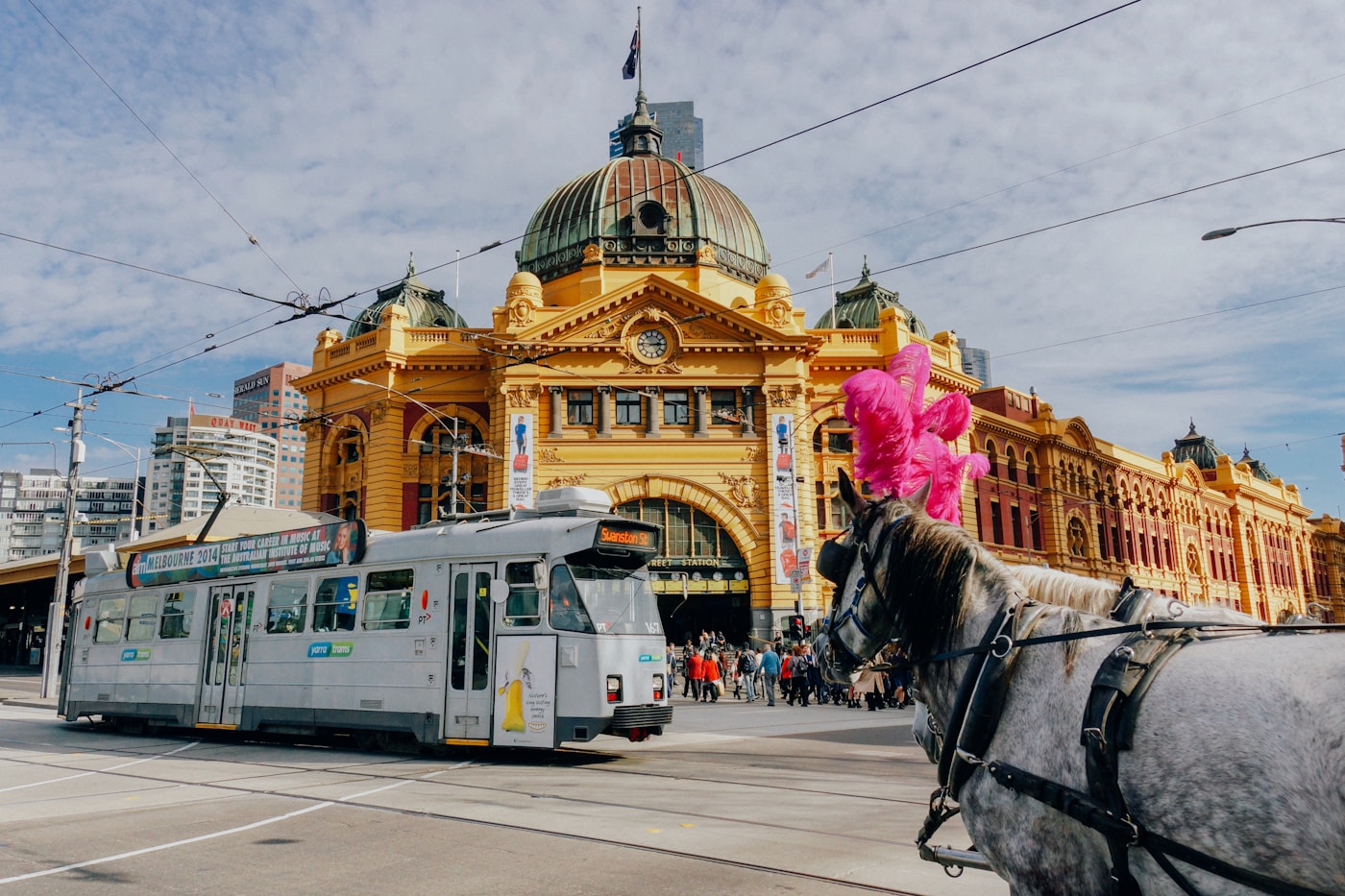
The largest tram network on the planet (250 kilometers across 24 routes carrying half a million passengers a day), Metro Train heavy rail (16 lines), bus and night network. Fare integrated under the Myki card, capped at 11 AUD a day for most full fare commuters within Zone 1 plus 2; the entire CBD inside the Free Tram Zone runs at zero fare for residents and visitors. The bike network is among the best in Australia; the Capital City Trail, the Main Yarra Trail, and the segregated lanes through Fitzroy, Carlton, and Brunswick make daily cycling a realistic mode for inner residents. For relocation scouting trips and the first two weeks before your local Myki card arrives, a rental from Discover Cars covers most needs at 38 to 65 dollars a day. Beyond that, a car in central Melbourne is a liability; parking is 6 to 12 AUD an hour in the CBD.
Airport access is the variable most travelers underweight. From a CBD or inner suburbs one bedroom to Melbourne Tullamarine airport, expect 25 to 50 minutes by SkyBus (every 10 minutes from Southern Cross, 22 AUD one way) and 30 to 60 by taxi or rideshare depending on time of day. The Melbourne Airport Rail link is targeted for 2030 and would close the connection gap; until then the bus or road links remain the only options. The Melbourne airport access guide walks the four routes with the actual costs and times. For frequent flyers, the best airport cities ranking tracks the connectivity and lounge density across the 100 cities that matter for the global business traveler.
№ 10 , Culture and Cuisine
What makes Melbourne itself.
The food signatures, the nightlife rating, the cultural calendar.
Food in Melbourne: the cafe culture invented in this city in the 1990s alongside Sydney and the laneway dining scene that became a city signature in the 2000s; modern Australian cuisine that draws heavily on Cantonese, Vietnamese, Greek, Italian, and Lebanese diasporic traditions; the chef driven scene at Attica, Vue de Monde, Cumulus, Marion, and the casual standard set by Chin Chin, Pellegrini's, and the dense neighborhood restaurant grid in Fitzroy, Carlton, Richmond, and Brunswick. The nightlife scores 7.4 on the 10 point scale, the methodology weights bar density, late hour transport, and the diversity of the scene. The best cities for nightlife ranking places this in context.
Cultural temperament: arts dense, sport literate, casual, with a self conscious creative class identity that residents wear lightly and visitors notice immediately. Melbourne hosts the Australian Open in January, the Formula One Grand Prix in March, the AFL Grand Final in September, and the Melbourne Cup carnival in November; the sport calendar shapes the public mood for whole weeks at a time. For day to day cultural input, the Melbourne cultural calendar tracks the festivals, museum exhibitions, and gigs worth a flight. Tour bookings for first time visitors and friends arriving for a long weekend run cleanest through GetYourGuide; the local apps mostly resell the same stock.
Two underrated reads on cultural fit: how late the city eats, and how quietly it complains. Melbourne eats early relative to the Mediterranean, dinner at 18:30 to 19:30 is normal and most kitchens close by 22:00 outside the dedicated late night zones in Chinatown and the inner north. The cities for foodies ranking lists the food capitals on a single chart. For complaint culture, the local Reddit, the local Twitter, and the Age letters page tell you what residents fight about; the Melbourne resident grievances roundup reads them so you do not have to.
№ 11 , Remote Work
Internet, visas, and where to plug in.
Median internet speed 110 Mbps. Coworking density: 64 spaces. Nomad visa: No dedicated nomad visa, but the Subclass 408 Activity visa, the Working Holiday visa for under 35s, and the Skilled Independent route serve overlapping use cases.
The remote work rating for Melbourne is competitive within the Anglo English speaking band. The internet speed of 110 Mbps comes from the National Broadband Network (NBN), with central Melbourne supporting 250 to 1,000 Mbps tiers. The coworking density is in the upper half of cities we track, and the time zone overlap with Asia is excellent (UTC plus 10 or 11) but the overlap with Europe and the US is poor. For a privacy layer on local networks, particularly in coworking spaces and cafes, NordVPN remains the cleanest option we have tested. The best cities for remote work ranking covers the full table.
For nomads: the visa story is the biggest gap. Australia does not currently offer a dedicated digital nomad visa. The Working Holiday Maker visa (Subclass 417 and 462) covers under 35 year olds from eligible countries for one to three years; the Subclass 408 Activity visa serves narrow specific use cases. Most longer term remote workers in Melbourne arrive on a Subclass 482, 186, or 189. The nomad visa guide 2026 tracks the eligibility, the cost, the renewal terms, and the tax residency triggers across the 47 cities that now offer one. Watch the 183 day rule for tax residency.
For coworking specifically, the density figure of 64 spaces hides a wide quality range. The premium operators like WeWork, Hub Australia, Work Club, and Inspire9 run 480 to 850 AUD a month for a hot desk and 1,100 to 2,200 for a private booth. The mid market option, which is what most residents actually use, runs 320 to 520 AUD a month for unlimited access plus mail handling. The Melbourne coworking guide tracks the specific operators with the floor plans and the monthly numbers. The best cities for digital nomads ranking keeps the macro view, with Melbourne placed on the same axis as Sydney, Auckland, and Singapore for direct comparison.
№ 12 , The Verdict
Who should move to Melbourne, and who shouldn't.
Melbourne works for the senior tech, finance, or international professional who values the cafe and laneway culture, the tram network, and the social baseline (universal healthcare, generous leave, strong consumer protection) over peak salary or beach access. Below 5,000 AUD net monthly the rent and grocery compression bites in the inner suburbs and the housing quality degrades fast outside the inner ring; above 8,500 AUD net the city becomes one of the highest quality of life destinations in the global top 25 at a measurable discount to Sydney. The case against has hardened since 2020: the prolonged COVID lockdowns of 2020 and 2021 left a measurable mark on the central business district that has only partially recovered, the housing affordability ratio has worsened, the tax wedge on top earners is genuinely high once Medicare and the surcharge stack, and the winter is genuinely cold and dark by international comparison at the same latitude. None of that erases the core. The largest tram network in the world. A cafe culture that residents miss within a week of leaving. A healthcare and education baseline that ranks in the OECD top 10. A creative class density that supports two world class symphony orchestras, a top tier opera company, and an annual fringe festival that fills 300 venues. If you can earn the salary and accept the southern winter, you live somewhere that the rivalry with Sydney is meaningful precisely because the contest is real. That is rarer than this site usually admits.
Sources, May 2026. Numbeo cost of living index May 2026 · Mercer Cost of Living Survey 2026 · OECD Income Distribution Database 2025 · World Bank Open Data 2025 · Speedtest Global Index April 2026 · EIU Safe Cities Index 2024 · Bloomberg Health Care Efficiency 2025 · the relevant national tax authorities for headline rates · Glassdoor and Levels.fyi for salary medians · the national international school registries. First published February 4, 2024. Last updated April 2, 2026.