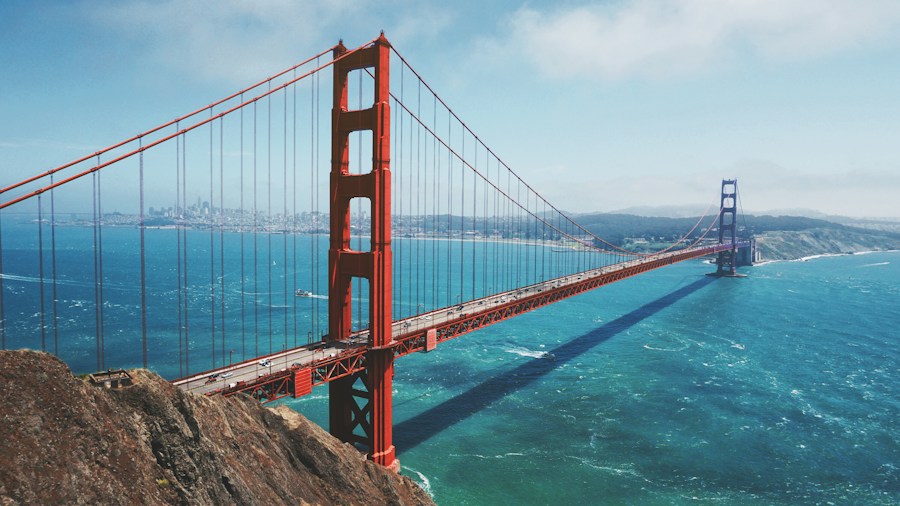
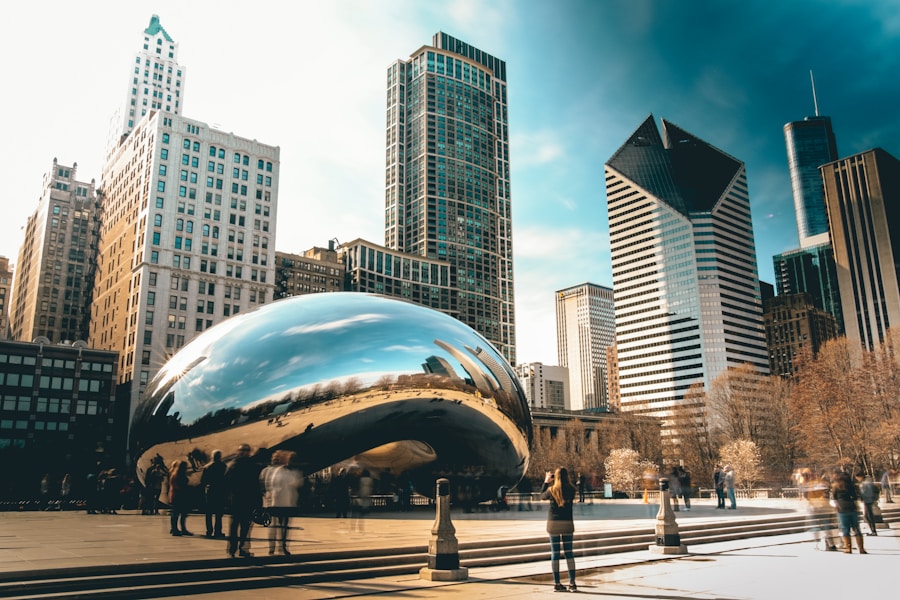
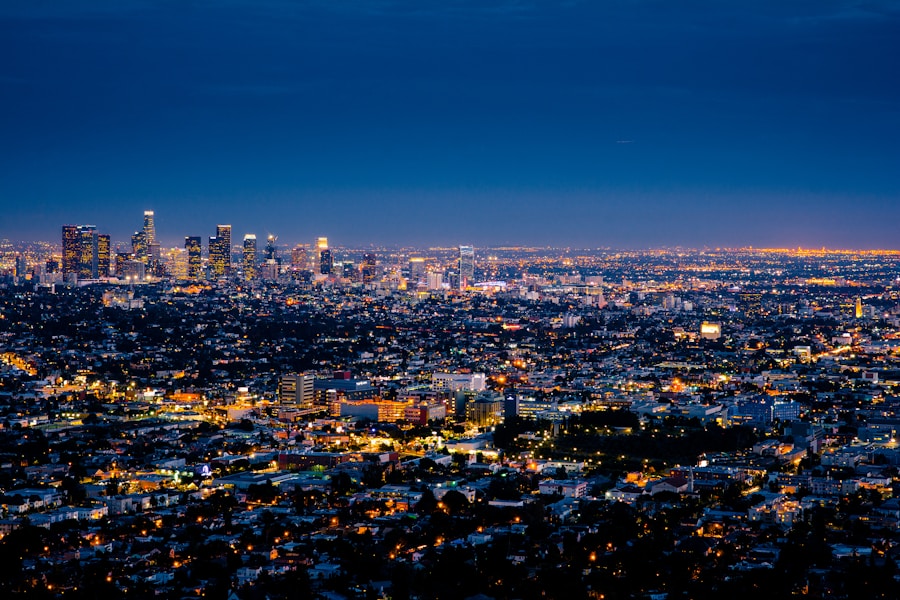
San Jose is the capital of Silicon Valley and the highest earning large city in the United States, where a software salary buys safety, sun, and good schools but pays the steepest housing bill in the country. It scores 7.6 on the everycity index in 2026.
7.6
Index Score
San Jose, United StatesSilicon Valley
№ 01 , The Quick Take
The two minute read.
Who San Jose is for, in one screen.
San Jose runs on one industry. The city of just over 1,000,000 sits at the southern end of San Francisco Bay and anchors a metro of 2,000,000 that is the engineering core of the global technology economy, home to Apple a short drive west, plus the headquarters of Cisco, Adobe, eBay, and Nvidia nearby. The median household income clears 130,000 dollars, the highest of any large American city.
The cost of that income is housing. The median home price runs 1,450,000 dollars and a central one bedroom rents for 2,950 dollars a month, which prices out everyone who does not work in the industry that sets the wage. In return the city is sunny 300 days a year, safer than its larger neighbors San Francisco and Oakland, and built on quiet, leafy neighborhoods with strong schools.
The catch is the texture of daily life. San Jose is a sprawling, car dependent city with thin transit, modest nightlife, and little of the density that makes San Francisco or Seattle feel urban. It rewards the senior engineer with a family and a budget; it frustrates the young single renter who wants a walkable, transit served city center.
The scale is easy to underestimate. San Jose is the third largest city in California and the tenth largest in the country by population, larger than San Francisco itself, yet it reads as a vast suburb rather than a metropolis because its growth came in the automobile era. That single fact explains most of what follows: the wages, the housing, the thin transit, and the quiet streets all flow from a city built late, fast, and for the car.
Priced May 2026 for a single resident in a central one bedroom.
Rent, 1 bedroom
2,950 dollars
Monthly, single
4,200 dollars
Median home
1,450,000 dollars
Income to rent
118,000 dollars
A single resident spends 4,200 dollars a month in San Jose before discretionary outlays: 2,950 dollars on a central one bedroom, 480 dollars on groceries, 200 dollars on utilities, 90 dollars on a VTA transit pass, and 70 dollars on gigabit internet. A family three bedroom runs 4,500 dollars and a suburban two bedroom 3,400 dollars. Coffee runs 5.20 dollars, a mid range dinner for two 95 dollars, and a gym membership 80 dollars.
The number that defines the city is the home price. At a 1,450,000 dollar median, the down payment alone exceeds the price of a whole house in most American metros, and the monthly carrying cost demands a household income above 250,000 dollars. This is why San Jose is the rare city where renters often out earn homeowners elsewhere yet still cannot buy.
For the worker paid from another country or moving money across borders, Wise converts at within 0.5 percent of the mid market rate, well below the retail bank spread. The cost converter tool adjusts a salary against the city, and the best value cities ranking shows where the same pay would stretch further. On raw value San Jose ranks low; on pay it ranks at the very top.
The move in math is its own line item. A new lease typically asks first month, last month, and a security deposit equal to one month, so the renter signing a 2,950 dollar one bedroom needs 8,850 dollars in hand before a single box is unpacked. Buyers face a deeper wall: a 20 percent down payment on the median home is 290,000 dollars, which is why the typical first time buyer in the valley is dual income, in technology, and past the age of 35.
№ 03 , Safety
Safer than the neighbors.
The 10 point safety read across the axes the methodology weights.
Overall
7.8
Solo female, day
7.8
Family with kids
8.0
After dark
7.0
San Jose scores 7.8 overall, a strong result for a city of its size and well above San Francisco at 6.4 and Oakland on the property crime axis. Violent crime sits below the national rate for large cities, and the residential neighborhoods that hold most of the population read as quiet and orderly. The family axis at 8.0 reflects low risk in the suburban districts where most households with children live.
The softer spots are the downtown core after dark and pockets of property crime tied to vehicle break ins, the same pattern that runs across the Bay Area. For the new arrival before employer health and home coverage starts, SafetyWing bridges the first months at 56 to 65 dollars a month for the single under 40. The safest cities ranking places San Jose among the safer large American cities.
The practical read for a household is that the choice of neighborhood matters more than the city average. The Almaden, Cambrian, and Willow Glen districts read very safe day and night; the blocks closest to the downtown core ask for the same ordinary caution any American city center does after midnight.
№ 04 , Weather
Three hundred sunny days.
Annual normals from the national weather records and the comfort lines that matter.
Sunny days
300
Summer high
82F
Winter low
42F
Rain days
67
San Jose runs a warm Mediterranean climate, classified Csb, with a dry summer that peaks at 82F in July and August and a mild winter that rarely drops below 42F at night. Rain concentrates in 67 days between December and March; the rest of the year is dry and bright, with 300 days of sun a year, the highest sun count of any major Bay Area city thanks to the shelter of the coastal range.
The trade off is water. The region sits inside the recurring California drought cycle, and summer landscaping and reservoir levels track the winter rains closely. Air quality is good most of the year at a PM2.5 reading near 9 micrograms, with wildfire smoke the seasonal risk that can push the autumn reading higher for days. The climate match tool finds cities with a similar profile, the best month to visit tool points to September and October, and the clean air ranking tracks the smoke seasons.
For the relocator from a colder or wetter baseline, the San Jose climate is the genuine draw: a long dry season, warm but not extreme summers, and a winter mild enough to keep the citrus trees in the backyard producing. It is the most reliable weather of any major Bay Area city.
№ 05 , Jobs and Salary
The highest wage in the country.
Median pay for three engineering tiers, the state tax band, and the take home math.
Engineer, mid
175,000 dollars
Senior
270,000 dollars
Staff
380,000 dollars
State tax, top
13.3%
San Jose pays the highest technology wages in the United States. A mid level software engineer clears 175,000 dollars, a senior engineer 270,000 dollars, and a staff or principal engineer 380,000 dollars or more once equity is counted. Total compensation at the large platform companies routinely passes 500,000 dollars at the staff level, the deepest pay pool of any city in the highest salary cities ranking.
The employer base is unmatched in software. Cisco, Adobe, eBay, and PayPal hold their headquarters inside the city; Nvidia, Apple, Google, and a dense field of chip designers, cloud platforms, and artificial intelligence labs sit within a short drive across Santa Clara County. The cities for startups ranking and the cities for engineers ranking both place the wider valley at or near the top.
California taxes that income hard. The state runs a progressive schedule reaching 13.3 percent, the highest state rate in the country, on top of the federal schedule, for an effective rate near 35 percent at 250,000 dollars. The tax calculator tool runs a salary against the state, and the state tax comparison shows how California compares to the no tax states many engineers eventually leave for.
That exit is now a defined pattern. A meaningful share of valley engineers spend their highest earning years in San Jose, then move to Austin, Seattle, or Miami once equity vests and children reach school age, trading the 13.3 percent state rate and the housing bill for a lower cost base. The wage is a reason to arrive; the cost is a reason many later leave.
№ 06 , Neighborhoods
Seven districts, one verdict each.
Where the money, the families, and the renters actually go.
San Jose is a city of neighborhoods more than a city of a center. The desirable districts share leafy streets, strong schools, and a suburban calm; they differ on price, walkability, and commute. For the renter who wants density, the choices narrow to a few. For the family, the field is wide.
Willow Glen
A leafy village core with a walkable main street, period homes, and the strongest family feel in the city. Pricey and in demand.
Santana Row
An upscale district of dining, retail, and new apartments next to Valley Fair; the closest San Jose gets to walkable urban living.
Downtown
The urban core by San Jose State, the light rail hub, and the SAP Center; cheaper rents, more nightlife, ongoing redevelopment.
Almaden Valley
Quiet, suburban, and built on top rated schools; large single family homes at the steepest prices in the city.
Rose Garden
A central, historic neighborhood of bungalows and tree lined streets, central and well regarded by families.
North San Jose
The tech campus belt, with newer apartment stock and the shortest commutes to the Santa Clara employers.
Cambrian Park
A calm residential district of mid century homes and good schools, popular with established families on a budget that excludes Almaden.
№ 07 , Healthcare
A private system, well stocked.
System type, quality, and the insurance route for new arrivals.
San Jose runs on the United States private healthcare model, where coverage is tied to employment for most residents. The quality of care is high: Stanford Health Care sits a short drive north, Kaiser Permanente runs a large integrated network across the valley, and the Santa Clara Valley Medical Center anchors the public safety net. Specialist access for the insured resident is fast by American standards.
The network density also means clinical research and specialist care are unusually deep for a city this size, a side benefit of sitting next to Stanford and the biotech corridor on the peninsula.
The cost is the catch, as everywhere in the country. Employer plans carry premiums, deductibles, and copays, and a gap in coverage between jobs is expensive. For the new arrival before an employer plan activates, SafetyWing bridges the gap at 56 to 65 dollars a month for the single under 40, which is the standard route for the inbound worker on a new work visa.
№ 08 , Education and Family
Schools that set the rent.
International schools, universities, and the family rating.
School quality is the hidden driver of San Jose housing. The Cupertino Union, Fremont Union, and Palo Alto Unified districts that ring the city run among the strongest public schools in the state, and homes inside their boundaries carry a measurable premium. The result is a city where the school catchment, not the commute, sets the rent for families.
Higher education is dense. San Jose State University sits downtown, Santa Clara University a few miles north, and Stanford within the metro, feeding the engineering pipeline that the local employers draw on. The family rating is high for the household that can afford a single family home in a good district, and the cities for families ranking reflects that. The relocating with kids guide walks the school admission timing.
For the household without children, the same school premium works in reverse: renting in a district with weaker schools shaves hundreds of dollars off the monthly bill for no loss of daily life.
№ 09 , Transport
Bring the car.
Metro, rail, walkability, and whether a car is optional.
San Jose is built for the car. The VTA light rail and bus network is thin against the sprawl, Caltrain runs north to San Francisco along the peninsula, and the BART extension reached Berryessa in 2020 with a downtown extension under construction. For most residents in most neighborhoods, a car is not optional; walkability is low outside Santana Row, downtown, and the Willow Glen village.
The one transport advantage is the airport. Mineta San Jose International sits 10 minutes from downtown, among the closest major airports to a city center in the country, with direct routes across North America and a growing set of transpacific links. For the resident weighing the wider Bay Area, the Pacific city comparison and the remote work ranking put the commute question in context.
The commute is the quiet cost of the valley. Workers who live in San Francisco and work in the South Bay can spend two hours a day on the road or the corporate shuttle, which is why so many engineers eventually move closer to the campuses despite the suburban trade off.
№ 10 , Culture and Cuisine
A quiet capital with a loud kitchen.
What makes the city itself, the food signatures, and the nightlife read.
San Jose carries the most diverse population of any large American city, and the kitchen shows it. The Vietnamese community is among the largest outside Vietnam, and the city is widely held to serve the best pho in the country; the Mexican and Indian communities are deep, and the strip malls hide some of the best regional cooking in California. Japantown, one of three left in the United States, anchors the historic core.
Downtown core at duskThe tech corridorFoothills above the valleyA residential districtThe light rail lineAn evening out
The culture is everyday rather than headline. The SAP Center hosts the Sharks and the touring acts, the Tech Interactive museum draws families, and the music and bar scene is real but modest against San Francisco. Nightlife is the weakest axis in the city profile. For the first weekends on the ground, GetYourGuide books the valley and coast excursions that put the region in reach.
The honest read is that San Jose is a place you eat and live well in private rather than a place you go out in. Its culture rewards the resident who cooks, hosts, and explores the strip mall kitchens over the one chasing a downtown scene.
№ 11 , Remote Work
Fast pipes, no visa shortcut.
Internet, coworking density, and the nomad route, or the lack of one.
Connectivity is excellent. Gigabit fiber reaches most of the city and the average fixed line speed runs near 250 Mbps, among the fastest in the country, which is unsurprising in the place that builds the hardware. Coworking density is moderate and concentrated downtown and along the North San Jose campus belt, serving contractors and the smaller startups rather than the large employers.
There is no shortcut on immigration. The United States offers no remote work or nomad visa, so the inbound worker needs an H1B, an O1, or an L1 transfer; the USA O1 visa guide walks the route for the strong record, and NordVPN handles privacy on the move. The relocation score tool grades a current city against San Jose, and the where should I live quiz sorts the undecided.
For the fully remote worker with no tie to a valley employer, San Jose makes little sense: the entire premium of the city is proximity to the campuses, and paying the housing bill without the salary that justifies it is the worst of both worlds.
№ 12 , The Verdict
Who should move, and who should not.
San Jose is the clearest case in the atlas of a city that is right for a narrow group and wrong for everyone else. For the senior or staff software engineer, the chip designer, the artificial intelligence researcher, and the dual income technology household with children, it is close to ideal: the highest wage in the country, three hundred days of sun, strong schools, and streets safer than the larger Bay Area cities. The housing bill is brutal, but the salary is built to carry it.
For almost everyone else, the math does not work. The young single renter who wants a dense, walkable, transit served city will find San Jose sprawling and quiet, and is better served by San Francisco to the north. The cost sensitive worker outside technology is priced out entirely and should look at Austin or the value cities ranking. The retiree or remote worker with location freedom can capture the climate without the wage trap elsewhere in the state.
The verdict: San Jose scores 7.6 because it does one thing better than anywhere on earth and several ordinary things poorly. If your career sits inside Silicon Valley and your household clears the housing line, move. If it does not, the same money buys a fuller life in a dozen other cities. The city makes no apology for being narrow; it asks you to know which side of the line you sit on before you sign a lease. Compare the alternatives in Austin vs San Francisco, Los Angeles vs San Francisco, and Boston vs San Francisco.
Sources, May 2026. Numbeo Cost of Living Index May 2026 · Mercer Cost of Living Survey 2026 · OECD data 2025 · World Bank Open Data 2025 · Speedtest Global Index April 2026 · national statistics offices and tax authorities for headline rates · Glassdoor and Levels.fyi salary medians 2026 · FBI Uniform Crime Reporting 2025 · NOAA climate normals · US Census ACS 2024 · Zillow and Redfin home price data May 2026. First published 2026. Last updated May 25, 2026.
The Monthly Mover
One letter a month.
The fastest moving cities, new visa programs, and the cost shifts that matter. Read by 240,000.