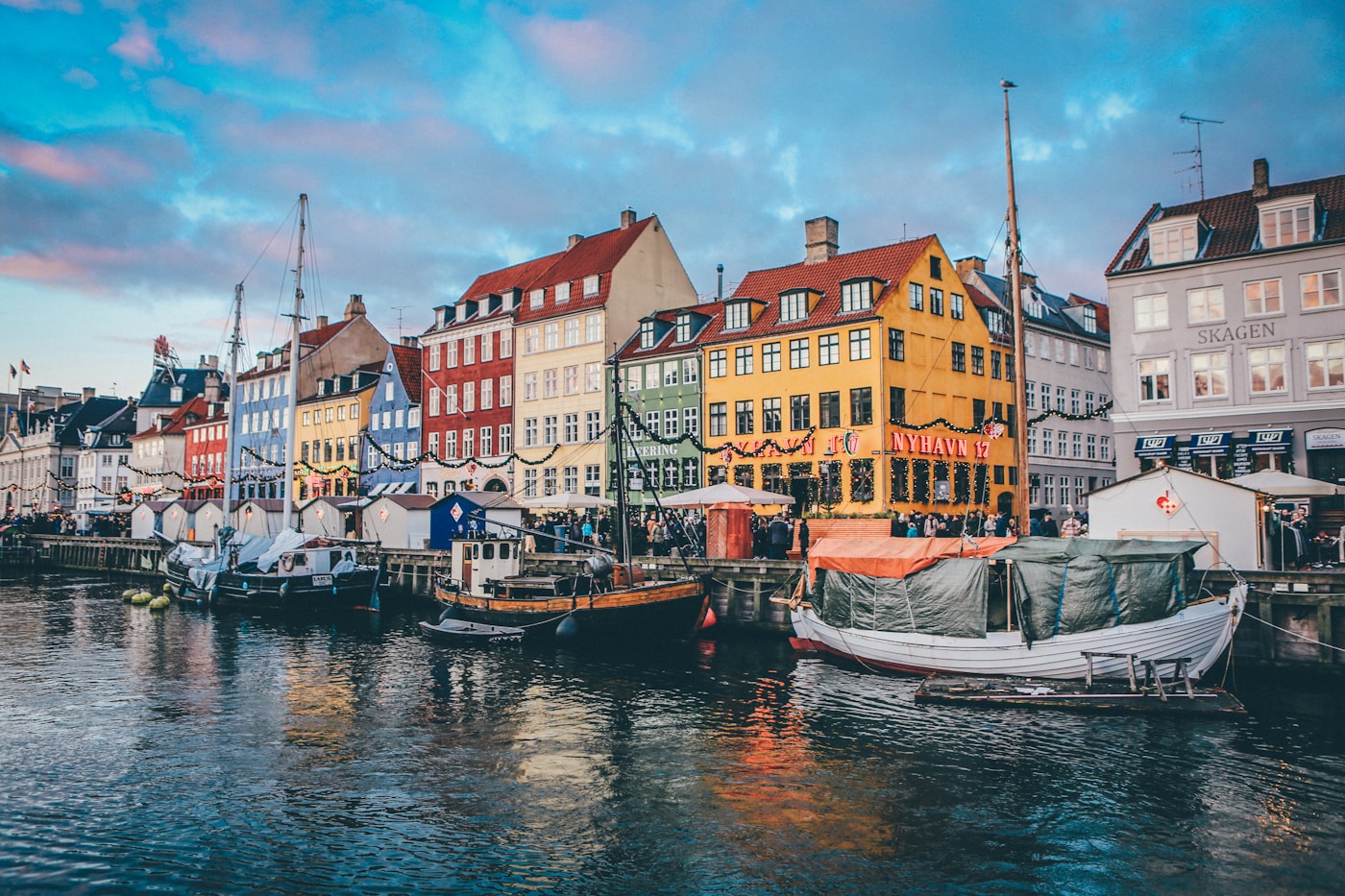
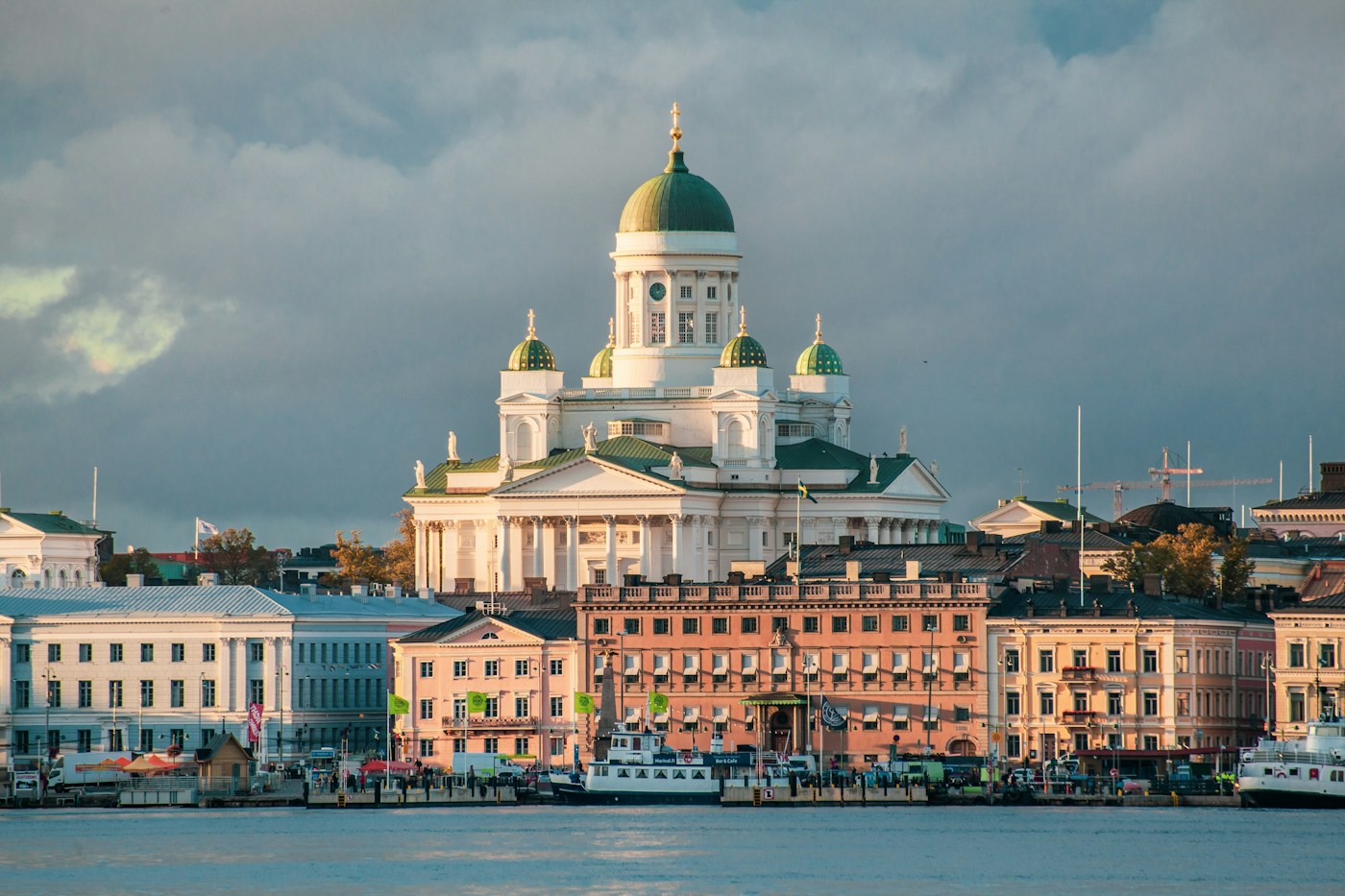
Copenhagen and Helsinki are the two quietest, safest, highest trust capitals in the Nordic tier. Copenhagen is the design and cycling capital, denser and a little richer; Helsinki is the calmer, colder, cheaper one, with the strongest summer light in the group. The salary and cycling delta favors Copenhagen, the cost and the white nights favor Helsinki.
Two Nordic capitals separated by a tenth of trust and a few degrees of winter. The breakdown resolves the fit.
Copenhagen takes the index by 0.3 of a point on the cycling network, the salary line, and the walkability. Helsinki wins the cost axis by 700 dollars a month for a single resident and the summer light, at the cost of a colder, darker winter.
Copenhagen scored 8.6 on the everycity index in 2026; Helsinki scored 8.3. The gap is 0.3 of a point, the narrowest of any pair in this batch. Copenhagen wins the cycling axis by 2.2 points, the salary line by 13,000 dollars on the mid level engineering role, and walkability by 0.6. Helsinki wins the monthly cost line by 700 dollars for a single resident and runs the marginally higher safety read. For the long form, see the Copenhagen city profile and the Helsinki city profile.
The cleanest decision rule: if the household weights the salary line, the cycling network, the design density, and the slightly warmer winter, Copenhagen is the math at a 700 dollar a month premium. If the household weights the lower cost, the summer white nights, and the quietest capital in the group, Helsinki is the math. The relocation score tool grades your current city against either.
Both cities anchor Europe at the Nordic tier. For the country read, see Denmark and Finland. The quality of life ranking places Copenhagen at number 3 and Helsinki at number 7; the safest cities ranking places both inside the global top 10.
Twelve line items priced May 2026 in US dollars for a single resident in a central one bedroom. Green marks the cheaper city per line.
Helsinki is cheaper on ten of twelve lines, with the rent gap at 600 dollars on a central one bedroom and 900 dollars on a family three bedroom. Copenhagen wins back the utilities line, where Danish district heating runs below the Finnish equivalent, and the gym line. The all in single basket runs 2,750 dollars in Copenhagen against 2,050 dollars in Helsinki, a 700 dollar gap that the higher Copenhagen salary partly closes.
Both are euro and krone economies inside the high cost Nordic band; neither is a budget posting. For the cross border transfer, Wise moves krone and euros at within 0.4 percent of mid market, against the bank spread. The cost converter tool runs your salary in either direction, and the cheapest cities in Europe ranking excludes both from the top 60 in absolute terms.
The 10 point safety read across the sub axes the methodology weights equally.
Helsinki wins safety on four of five sub axes by 0.2 of a point each; both sit in the global top tier, where the practical risk is bicycle theft and the occasional pickpocket rather than violent crime. Copenhagen wins the traffic safety axis by 0.2, off a cycling first street design that the rest of the world studies. SafetyWing covers the first six months in either at 48 to 64 dollars a month for the under 40 single, though both run robust public systems.
The safest cities ranking places Helsinki at number 4 and Copenhagen at number 6 globally. For the family read, the cities for families ranking places both inside the European top 6, off universal childcare, paid parental leave, and a school system that ranks among the strongest in the world in Finland.
Healthcare is universal and tax funded in both. Denmark runs a GP gatekeeper model with same week access in Copenhagen; Finland runs a public system with a longer non urgent queue that the private top up at 60 to 100 dollars a month shortens. The best healthcare cities ranking places both inside the European top 15.
Annual averages, the worst month, and the comfort band count.
Copenhagen runs the milder oceanic Cfb climate, with a January low near 30F; Helsinki runs the humid continental Dfb pattern, colder by 10F in the depth of winter and with an hour less December daylight. Helsinki wins the annual sunshine count at 1,860 hours, concentrated in the white nights of June and July, when the sun barely sets. Copenhagen wins the milder, shorter winter. The climate match tool finds cities with similar profiles.
Median salaries for the comparable roles, the headline tax band, and the effective rate after standard deductions.
Copenhagen pays 13,000 to 20,000 dollars more on gross for comparable engineering and design roles, off a deeper tech and pharma base, Novo Nordisk, Maersk, Unity, and the Danish startup cluster, against the Helsinki base of Nokia, Supercell, Wolt, and the game studios. Both sit in the high tax Nordic band, where the headline rate exceeds 55 percent and the effective rate at 100,000 dollars lands near 45 percent.
Both run an expat tax scheme. Denmark offers the researcher and key employee scheme at a flat 27 percent plus labor market contribution for up to seven years; Finland offers the foreign expert flat 32 percent for the first 48 months. The tax calculator tool runs your number against either, and the highest paying cities ranking places Copenhagen at number 22 globally and Helsinki at number 31. The cities for software engineers ranking places both inside the European top 15.
The qualitative axes scored on the same 10 point scale the index uses elsewhere.
Copenhagen wins all five lifestyle axes, with the cycling infrastructure gap of 2.2 points the widest; the city runs a 49 percent commuting cycling modal share, the highest of any capital on earth, against the Helsinki 11 percent. The design and culture gap is narrower than the cliche suggests, with both cities running a world class design heritage, Danish modern against Finnish functionalism and Alvar Aalto.
The registers differ in temperature, not quality. Copenhagen runs the denser cafe, restaurant, and bar scene with the new Nordic cuisine legacy of Noma; Helsinki runs the sauna culture, the island archipelago, and the quieter, more reserved social rhythm. The cities for cycling ranking places Copenhagen at number 1 globally. The Copenhagen kitchen, anchored by the new Nordic legacy of Noma, sets the regional standard, while Helsinki answers with the sauna circuit and the summer archipelago.
The boring section that decides whether the move actually happens.
Both run a skilled migration route for the third country national. Denmark runs the Pay Limit and Fast Track schemes through SIRI with a salary floor that the 2024 reforms held high; Finland runs the Specialist permit and the EU Blue Card with a faster digital process that the Finnish Immigration Service has pushed to a two week standard for the certified employer. Visa difficulty is even at 6 of 10. The 2026 visa guide covers both.
Working language. Both operate in English at the company level and conversationally across the city, with Danish and Finnish reserved for the public administration and the deeper integration. Internet runs 220 Mbps average in Copenhagen against 200 in Helsinki. Booking.com bridges the first month before the lease starts in either, and the where should I live quiz returns a top 20 against your weights.
For the household weighting the salary line, the cycling network, the design density, and the milder winter, Copenhagen wins. The index sits 0.3 of a point higher, and the higher Danish salary partly closes the cost gap.
For the household weighting the lower cost, the summer white nights, and the quietest, most reserved capital in the Nordic group, Helsinki wins. It delivers a comparable safety and quality of life floor for 700 dollars a month less, at the cost of a colder, darker winter.
For the comparison view across the Nordic tier: Copenhagen vs Stockholm, Copenhagen vs Oslo, Helsinki vs Stockholm, and Helsinki vs Tallinn.
The Copenhagen versus Helsinki comparison is one of 25,000 we maintain on a single methodology, refreshed quarterly against the May 2026 Numbeo, Mercer, and OECD drops. If the verdict here clashes with your lived experience, the methodology page walks the weights. The next refresh ships in August 2026.
One email per quarter, when the May, August, November, and February data drops refresh the index.