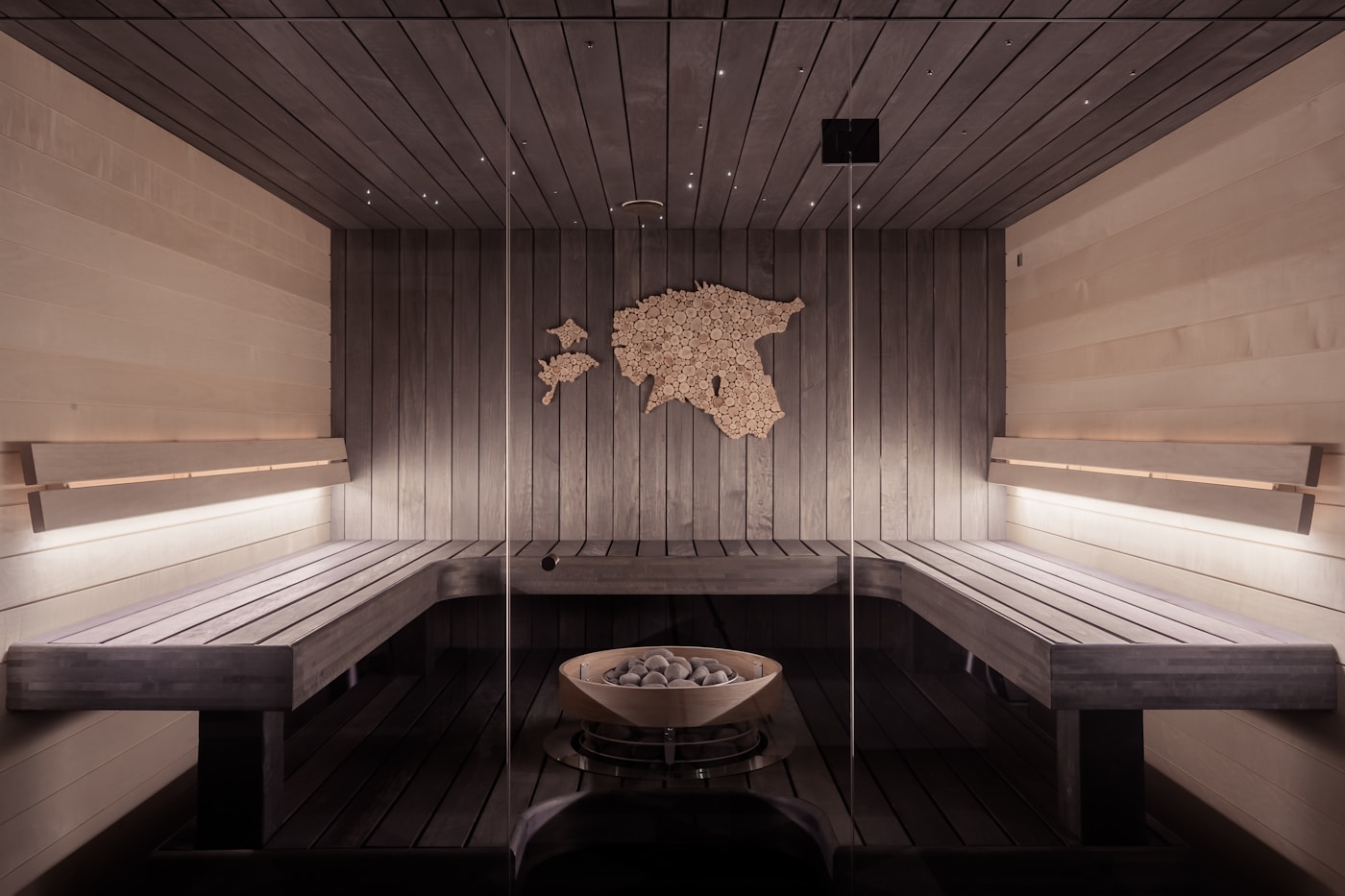
Qingyang, a city reportChina , population 2.21 million , index 5.1 of 10
An independent report on living in Qingyang, scored across cost, safety, weather, jobs, healthcare, education, transport, and twelve more axes. No tourism board input. No paid placement.
5.1
Index Score
Qingyang, ChinaCover , The City Report
№ 01 , The Quick Take
Qingyang in 200 words.
Qingyang scored 5.1 on the everycity index in 2026, a tier two interior placement that reflects a low cost base, a high safety read, and a thin layer of international amenities. The headline numbers: rent on a one bedroom in the Xifeng core runs 1,400 yuan (195 dollars), the monthly all in cost lands at 540 dollars for a single resident, the income tax position is 45 percent at the top marginal band, and the safety score is 7.5 on the same 10 point scale we apply to Shanghai, Beijing, and Lanzhou.
The case for Qingyang lives in two industries and one geography: the Changqing oilfield, China's largest onshore oil and gas field, which anchors the regional engineering job market; the agricultural and herbal medicine belt of eastern Gansu, where apples and medicinal herbs are the cash crops; and the Loess Plateau itself, the deep wind blown soil that shaped the cave dwelling heritage and the local opera. For the comparison view, start with Chengdu vs Singapore or Bangkok vs Chengdu.
The data feeding this report comes from our methodology page, with primary sources at the bottom. Numbers are May 2026 unless stated. Currency is the yuan with USD conversion in parentheses where useful. The next refresh ships in August 2026.
For new readers: if you only want the headline figure, the city score generator returns the index with custom weights in 30 seconds. For the country level overview, China places Qingyang on the national table; for the regional view, Asia places it alongside Xian, Lanzhou, and Chengdu.
Set expectations on the international layer before the move. Qingyang is a Chinese working city, not an expatriate hub; the foreign resident count is small, English is rare outside the largest hotels and the oilfield offices, and the daily texture of life is local. The upside is a cost base that lets a modest salary go far; the downside is that almost everything, from a lease to a hospital visit, runs in Mandarin.
№ 02 , Cost of Living
The monthly arithmetic.
Ten line items priced in May 2026 for a single resident in a central one bedroom. Family of four figures run 2.4 times the single resident figure.
Line item
Single, 1 bed
Family of four
Rent, central one bedroom
1,400 yuan
2,600 yuan
Groceries
130 dollars
340 dollars
Public transport pass
40 yuan
150 yuan
Utilities, average
55 dollars
95 dollars
Internet, fiber
11 dollars
11 dollars
Coffee, take away
2.40 dollars
2.40 dollars
Dinner for two, mid
14 dollars
28 dollars
Gym membership
26 dollars
70 dollars
Mobile phone plan
8 dollars
26 dollars
Monthly all in
540 dollars
1,290 dollars
Total monthly all in for a single resident in the Xifeng core: 540 dollars, among the lowest of any Chinese city the atlas tracks. That positions Qingyang below Lanzhou at 620 dollars and a fraction of the coastal hubs like Shanghai and Hangzhou. For the family of four equivalent, multiply by 2.4 to reach 1,290 dollars before any private schooling.
For international transfers during the move, Wise remains the cleanest tool we have tested, saving 80 to 110 dollars against most banks on a typical 5,000 dollar transfer. Booking the first month through Booking.com while you find a long term contract is the standard play, and the cost converter tool tells you what salary you need in Qingyang to match your current standard of living. The cheapest cities ranking sets the wider context.
Three quiet costs new residents underestimate: the deposit and agent fee on the first long term rental, which runs two to three months of headline rent; the winter heating load, which is significant on the Loess Plateau; and the furniture and setup round. Budget the move at 1.5 times the headline rent and pad one month of all in costs as a buffer. The relocation checklist has the line by line.
Salary equivalent
What does your salary need to look like in Qingyang?
Equivalent in Qingyang
$30,000
Adjusted for cost of living, tax position, and currency. Recalculated against a 540 dollars a month baseline.
№ 03 , Safety
A 10 point read on streets, day and night.
Qingyang scored 7.5 overall. The interior small city profile is the upside of the placement.
Overall7.5
Solo female, day7.7
Family with kids7.9
After dark, central7.2
Compared with the rest of the index, Qingyang at 7.5 ranks against Beijing, Lanzhou at 7.4, and well below Singapore at 9.5 on the same scale. Violent crime is rare, the property crime profile is low, and the daytime read for solo residents is strong at 7.7; the after dark figure of 7.2 reflects thin late hour transport rather than elevated risk. The safest cities ranking places the major Chinese cities mid table to high.
Practical notes: traffic and the mountainous Loess terrain are the realistic daily risks rather than crime. Carry an international policy from SafetyWing or Cigna Global for the first six months while local cover is sorted. The solo female safety ranking and family safety ranking show how Qingyang compares on those axes.
One Qingyang specific note: the Loess Plateau terrain shapes the risk map more than crime does. Steep cut roads, seasonal flooding in the gullies, and winter ice on the slopes are the realistic hazards, and emergency response times stretch in the outlying counties. Inside the Xifeng core the picture is closer to any mid sized Chinese city, where the streets are well lit and quiet after dark.
№ 04 , Weather
The climate in plain numbers.
cold semi arid, BSk under Koppen, 86F summer highs, 16F winter lows, 55 percent average humidity, 2,400 hours of sun a year.
The best months to live in Qingyang are May, June, September, and October. The worst, on temperature and daylight, is January, when the Loess Plateau winter settles in dry and cold. The dry continental air keeps humidity moderate, but the heating season is long, which shapes utility costs. For a city that matches your home weather, the climate match tool finds the closest profiles.
Air quality on the Loess Plateau is better than the heavy industry capitals, but dust from the surrounding terrain can spike particulate readings in spring. The best weather ranking and the climate resilient cities article set the regional context. Residents moving from a maritime climate usually need 6 to 12 months to adjust to the dry continental swing.
The practical winter cost is the heating season, which on the Loess Plateau runs from November to March on the municipal coal and gas supply. Indoor air in the older blocks can be dry enough to warrant a humidifier, and the spring dust season closes windows for days at a stretch. Residents moving from a temperate maritime climate report the dryness as the hardest single adjustment, ahead of the cold itself.
№ 05 , Jobs and Salary
Who pays, and how much the tax takes back.
Salary medians are May 2026, sourced from Glassdoor, the China national statistics office, and OECD wage data. Tax figures are from the official revenue authority.
Role, mid level
Median salary
Tax band
Software and IT
120,000 yuan
Top rate 45 percent
Oilfield engineer, Changqing
185,000 yuan
Top rate 45 percent
Finance, manager track
150,000 yuan
Top rate 45 percent
Marketing manager
95,000 yuan
Top rate 45 percent
The major employers in Qingyang are PetroChina Changqing Oilfield, which runs a large share of China's onshore oil and gas output from the Ordos Basin, the regional agricultural and herbal medicine processors, the Qingyang sachet cultural cooperatives, and the public sector. The oilfield engineering roles pay the strongest local salaries at 185,000 yuan for a mid career engineer.
Note on tax: the headline top rate of 45 percent applies above the threshold; lower bands start at 3 percent on the first 36,000 yuan, and social security and health contributions are additional. Read the China visa and tax guide before assuming the headline is the take home, and run a real offer through the tax calculator tool. For benchmarking, the highest paying cities ranking and the cities for tech jobs ranking cover the major destinations.
For the dual income household, the spouse work right depends on the visa class; the spouse visa guide covers the rules. Career mobility for the relocated worker in Qingyang is narrow outside the oil, agriculture, and public sectors, so most international arrivals come tied to a specific employer rather than on spec.
№ 06 , Neighborhoods
Where to actually live.
Seven districts, each with the rent number and a one line verdict.
Xifeng District (core)
the administrative and commercial center, walk to the main squares and the museum, 1,400 yuan for a one bedroom
Qingcheng old town
the historic quarter on the Ma Lian river, quiet and traditional, 1,200 yuan for a one bedroom
Heshui
county seat to the east, agricultural belt, 1,000 yuan for a one bedroom
Zhengning
apple growing county, family houses and orchards, 950 yuan for a two bedroom
Ningxian
southern county on the Shaanxi border, value side, 900 yuan for a one bedroom
Huachi
northern county, oilfield adjacent, engineer housing, 1,100 yuan for a one bedroom
Qingyang New Area
newer apartment stock near the high speed rail station, family friendly, 1,700 yuan for a two bedroom
The neighborhood scores feed our neighborhood matcher tool, which takes your lifestyle inputs and returns the right area within Qingyang on a 1 to 10 fit. The Xifeng core is the only district with a meaningful international footprint; the surrounding counties are agricultural and oilfield communities where Mandarin is essential.
For long term rentals beyond the first month, residents use the local property portals and bring the documentation the China system requires: a residence registration, an employment contract, and three months of bank statements. The relocation checklist covers the documentation pattern by destination city.
№ 07 , Healthcare
The system, the cost, the wait.
Healthcare scored 6.0 on a 10 point scale. The methodology weights access, cost, and outcomes equally.
Qingyang runs on China's universal basic public health insurance, the Urban Employee scheme for the salaried and the Urban and Rural Resident scheme for the rest, funded mostly by the employer. Out of pocket payment runs 20 to 30 percent on most outpatient services with a per visit cap. The municipal hospitals handle routine care; complex cases route to Lanzhou or Xian, three hours away by high speed rail, where the tertiary hospitals sit.
For new arrivals, pick up an interim policy from SafetyWing or Cigna Global for the gap between arrival and local registration. The expat insurance guide covers the trade off, the best healthcare ranking places Qingyang on the table, and the expat mental health guide covers the realistic access pattern for a smaller interior city, where English speaking specialists are scarce.
Dental, vision, and mental health coverage sit outside the basic insurance, as in most of China, and the specialist depth in Qingyang is thin; many residents bank routine dental and eye care for trips to Xian or Lanzhou. Bring two months of any specialty medication and arrange the switch to a local equivalent on arrival, since the pharmacy network carries the common drugs but not always the specific brand.
№ 08 , Education and Family
Schools, if you have kids.
The local school option, the limited international option, and the cost of each.
Qingyang's international school footprint is minimal; families relocating with children typically use the local public schools with private Mandarin tutoring, or base in Xian or Lanzhou where the international streams sit. Local public schools rank within the regional tier of Chinese education. The family rating weights school quality, park access, safety, and the cost of a three bedroom flat; see the best cities for families ranking for the full table.
The relocating with kids guide covers the school admissions calendar, which in China opens months ahead of enrollment. The family budget guide models the monthly all in for a family of four, and Babbel is the cleanest entry point for the parent who wants working Mandarin inside six months, which is close to essential in Qingyang.
For the family weighing the move, the honest read is that Qingyang suits the parent who is comfortable putting a child through the local Mandarin medium system, or who will base the family in Xian or Lanzhou and treat Qingyang as a work posting. The bilingual streams in the better Xifeng public schools are oversubscribed, and the international option that coastal cities take for granted is not present at scale here.
№ 09 , Transport
Walk, ride, or drive.
Walkability 6.0, transit 5.5, bike 4.6. Car needed: Yes for the surrounding counties.
Walk6.0
Transit5.5
Bike4.6
Car neededYes
Qingyang has no metro; the city runs on buses within the Xifeng core and on the road network to the surrounding counties. The Yinchuan to Xian high speed rail line stops at Qingyang, putting Xian inside three hours and Lanzhou inside three hours, which is how most residents reach a major airport. A car is useful for the oilfield sites and the agricultural counties. For relocation scouting and the first weeks, a rental from Discover Cars covers most needs.
Airport access is the variable most travelers underweight. Qingyang Xifeng airport runs domestic links, but international connections route through Xian or Lanzhou. The cities with the best public transport ranking sets Qingyang against the metro cities like Shanghai and Beijing for comparison.
Within the Xifeng core the bus network and a growing ride hailing layer cover most daily trips, and the flat grid of the central district is walkable in the temperate months. Beyond the core, the counties are car country: the oilfield sites, the orchards, and the satellite towns sit on roads rather than rail, and a private vehicle or a company car is close to necessary for anyone working outside the city center.
№ 10 , Culture and Cuisine
What makes Qingyang itself.
The food signatures, the heritage crafts, the nightlife rating.
Food in Qingyang is Gansu Loess Plateau cooking: hand pulled and knife cut wheat noodles, mutton in the Hui Muslim tradition, the local huangguan pear, and the suokou flatbreads. The signature craft is the Qingyang sachet, the xiangbao embroidery recognized as national intangible cultural heritage and sold at the annual Sachet Festival. The nightlife scores 4.5; this is an early city, and the late hour scene is thin. The cities for nightlife ranking places Qingyang near the floor.
The deeper cultural layer is the Loess Plateau heritage: the cave dwellings, the Daoist Zhouzu temple, and the Longdong daoqing shadow opera. For tour bookings when friends visit, GetYourGuide resells the regional operators cleanly. The cities for foodies ranking sets the Gansu noodle tradition against the national field.
The annual Qingyang Sachet Folk Culture Festival is the cultural anchor of the calendar, drawing buyers and embroiderers from across Gansu for the xiangbao trade, and the Daoqing shadow opera still plays the village stages in the surrounding counties. For the resident who reads Mandarin, the local cultural depth rewards the effort; for the visitor, the Loess Plateau cave dwellings and the Beishiku Temple grottoes are the standout sights.
№ 11 , Remote Work
Internet, visas, and where to plug in.
Median internet speed 150 Mbps. Coworking density: 4 spaces. Nomad visa: none in China; long term residents enter on the Z work visa, the R talent visa, or the Q family route, all sponsored.
The remote work rating for Qingyang reflects solid fiber internet at 150 Mbps from China Telecom and China Unicom, a thin coworking layer of 4 spaces in the Xifeng core, and a time zone that overlaps the rest of Asia and gives a morning window to North America evening. For a privacy layer on local networks, NordVPN remains the cleanest option we have tested. The best cities for remote work ranking covers the full table.
For nomads, the visa story is the constraint: China has no dedicated digital nomad pathway, so a long stay requires employer sponsorship. The nomad visa guide tracks the eligibility and tax triggers across the cities that do offer a pathway, and the best cities for digital nomads ranking keeps the macro view, with Qingyang far down the list for the independent remote worker.
№ 12 , The Verdict
Who should move to Qingyang, and who shouldn't.
Qingyang works for the oil and gas professional inside the Changqing field, the agricultural or herbal medicine specialist tied to eastern Gansu, and the resident with family or heritage connections to the Loess Plateau. The case against has its own shape: the international amenity layer is thin, the winters are long and dry, the international school footprint is near zero, and a working level of Mandarin is close to mandatory. None of that erases the core; few Chinese cities deliver the Loess Plateau heritage, the Changqing engineering base, and a 540 dollar cost band in one place. If your work requires eastern Gansu access, the Qingyang base is the most efficient way to live there.
Sources, May 2026. Numbeo cost of living index May 2026 · Mercer Cost of Living Survey 2026 · OECD and national tax authorities 2025 · World Bank Open Data 2025 · Speedtest Global Index April 2026 · EIU Safe Cities Index 2024 · national statistics offices for population and tax figures · Glassdoor and Levels.fyi for salary medians. First published May 25, 2026. Last updated May 25, 2026.