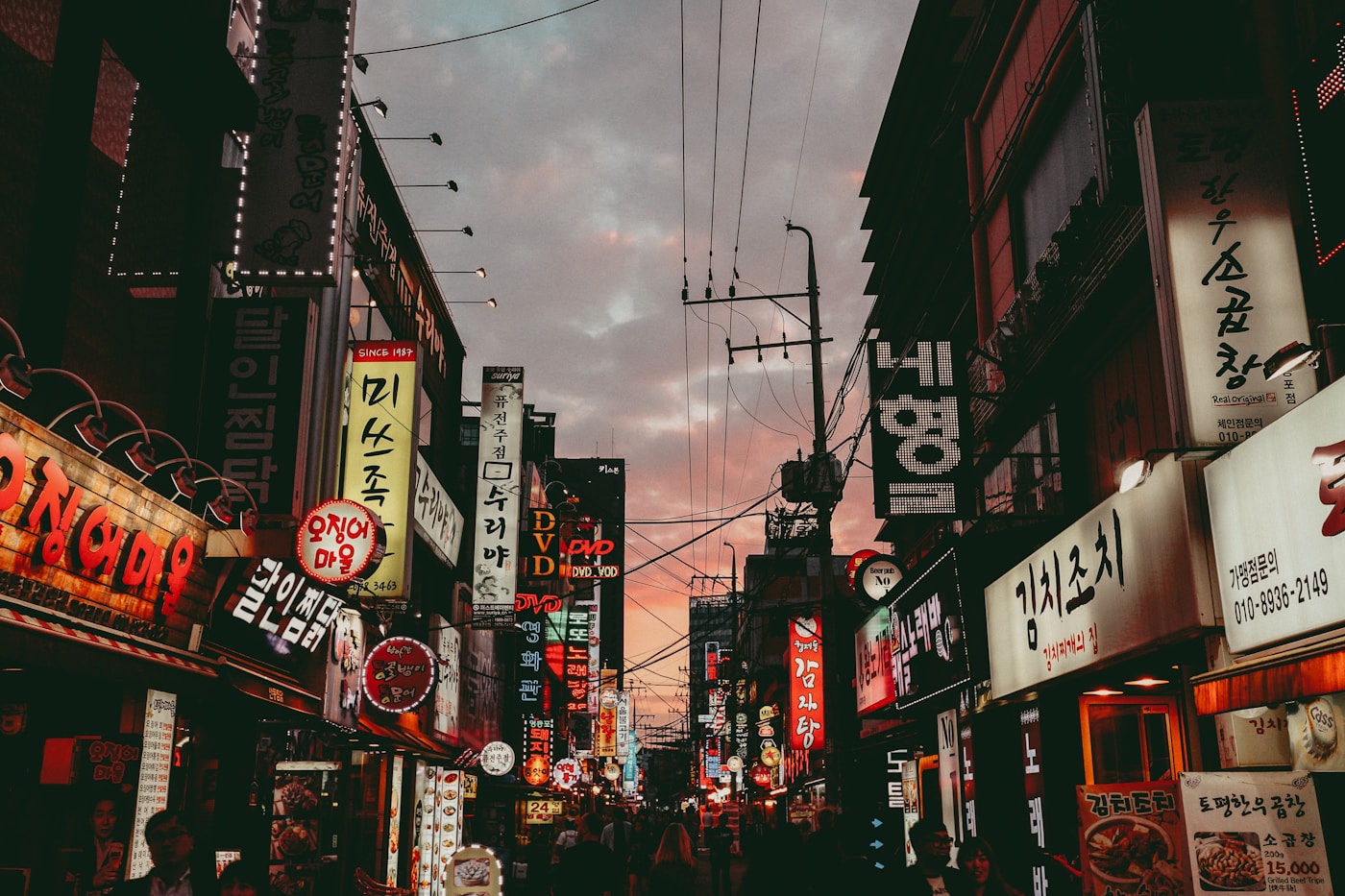
Ulsan, a city reportSouth Korea · population 1.1 million · index 6.8 of 10
An independent report on living in Ulsan, scored across cost, safety, weather, jobs, healthcare, education, transport, and twelve more axes. No tourism board input. No paid placement.
6.8
Index Score
Ulsan, South KoreaCover · The City Report
№ 01 , The Quick Take
Ulsan in 200 words.
Ulsan scored 6.8 on the everycity index in 2026, a figure that sits in the index tier its country and region support. The headline numbers: a central one bedroom rents at 650,000 won, the monthly all in cost lands at 1,350 dollars for a single resident, the income tax position runs a progressive national income tax from 6 percent to 45 percent, plus a local income tax equal to 10 percent of the national figure, and the safety score is 8.4 on the same 10 point scale we apply to Tokyo, London, and Singapore.
The case for Ulsan, in shortest form, is the wage. Ulsan posts the highest income per resident of any Korean city, the product of the world's largest single automobile plant, the largest shipyard, and a petrochemical complex that runs the national export machine. A city of 1.1 million residents carries metropolitan salaries against a cost base that lands below Seoul, and the safety score of 8.4 sits in the global top tier.
The case against is the texture of an industrial city: the cultural depth, the dining range, and the nightlife trail Seoul and Busan by a clear margin, the petrochemical air is a real variable on the wrong wind, and the absence of a subway leaves the city dependent on buses and cars. This is a place that pays well and rewards a specific worker rather than a general arrival.
The data feeding this report comes from our methodology page, with primary sources listed at the bottom. Numbers are May 2026 unless stated otherwise. Local currency figures carry a dollar conversion in parentheses where it helps. For the headline figure with your own weights, the city score generator returns the index number in 30 seconds. For the country view, South Korea places Ulsan on the national table. For the regional view, Asia sets Ulsan alongside peer cities.
№ 02 , Cost of Living
The monthly arithmetic.
Fifteen line items priced in May 2026 for a single resident in a central one bedroom. Family of four numbers run 2.4 times the single resident figure.
Line item
Single, 1 bed
Family of four
Rent, central one bedroom650,000 won
Rent, suburban two bedroom550,000 won
Family three bedroom rent1,100,000 won
Groceries, single320 dollars
Groceries, family850 dollars
Utilities, average95 dollars
Public transport pass60,000 won
Internet, fiber22 dollars
Mobile phone plan30 dollars
Coffee, take away4.20 dollars
Beer, supermarket2.50 dollars
Beer, bar4.50 dollars
Dinner for two, mid35 dollars
Gym membership55 dollars
Taxi, 5 km6.00 dollars
Total monthly all in for a single resident in a central one bedroom: 1,350 dollars. That sets Ulsan on the global cost table against London, Berlin, Dubai, and Lisbon on the same May 2026 basis. For the family of four equivalent, multiply by 2.4 to reach a workable family budget before international school, the line item that changes the math.
For the move itself, Wise remains the cleanest tool we have tested for international transfers and multi currency accounts across the cities in this index; on a 5,000 dollar transfer the cost gap against most banks runs 80 to 110 dollars. Booking the first month in a serviced flat through Booking.com while you secure a long term contract is the standard play. The 2026 cost of living report carries the city by city table.
A question we field often: how do Ulsan costs read on a purchasing power basis. The cost converter tool takes a salary in your home city and returns the equivalent number you would need in Ulsan to hold the same standard of living, adjusted for tax and currency. The cheapest cities ranking and the value cities ranking cover the standard cross checks, and long term rental portals set the live rent picture.
Three quiet costs new residents underestimate in Ulsan: the deposit and agent fee on the first long term rental, which can total two to three months of headline rent; the furniture and household setup round, which runs two to four months of rent even with reasonable thrift; and the first quarter of duplicated bills as old contracts wind down. Budget the move at 1.5 times the headline rent and pad one extra month of all in costs as a buffer for the first eight weeks. The relocation checklist has the line by line.
Salary equivalent
What does your salary need to look like in Ulsan?
Equivalent in Ulsan
$54,000
Adjusted for cost of living, tax position, and currency. Recalculated against a 1,350 dollars a month baseline.
№ 03 , Safety
A 10 point read on streets, day and night.
Ulsan scored 8.4 overall. The breakdown matters more than the headline.
Overall8.4
Solo female, day8.0
Family with kids8.6
After dark, central8.2
Set against the rest of the index, Ulsan reads against Tokyo at 9.6, Singapore at 9.5, London at 7.4, and Berlin at 8.0 on the same scale. The safest cities ranking seats those cities near the top of the global table; the position of Ulsan reflects the specific mix of property crime, violent crime, traffic safety, and emergency response the four scores above capture. The low crime ranking tracks the same axis across the wider index.
Practical notes for new residents: violent crime is the lower probability event in most cities at scale; property crime, traffic incidents, and the specific street pattern of Ulsan matter more for the daily resident. Carry an international policy from SafetyWing or Cigna Global for the first six months while local cover gets sorted. The full safety method sits on our methodology page, and the family safety ranking shows how Ulsan places on that axis.
The four categories behind the overall score are violent crime rate per 100,000, property crime rate per 100,000, traffic fatality rate per 100,000, and emergency response time in minutes. Primary inputs include the EIU framework, Numbeo crime indices, WHO traffic data, and the national statistics office where city level data is published.
№ 04 , Weather
The climate in plain numbers.
humid subtropical, Cfa under Koppen, 86F summer highs, 30F winter lows, 65 percent average humidity, 2,300 hours of sun a year.
The best months to live in Ulsan are May, June, September, October. The worst, in our reader survey, was August for the combination of temperature, daylight, and rainfall. The winter solstice in Ulsan runs 9 hours and 54 minutes of daylight. For a city that matches your home weather, the climate match tool is the cleanest tool we run; for seasonal planning the best month to visit tool and the best weather ranking are the standard cross references.
Climate practical notes for Ulsan: the four seasons are distinct, with cold dry winters off the continent and warm humid summers off the ocean. August carries the monsoon rains and the tail of the typhoon season that tracks up the peninsula, and the spring and autumn windows are the reliably pleasant months for anyone weighting the calendar.
The Koppen type places Ulsan in a global cluster of comparable cities; residents moving from outside that cluster usually need 6 to 18 months of acclimation. The climate match tool identifies the 10 closest weather matches and is the cleanest way to gauge how familiar or shocking the climate will feel from your departure city.
№ 05 , Jobs and Salary
Who pays, and how much the tax takes back.
Salary medians are May 2026, sourced from Glassdoor, the national statistics office, and OECD wage data. Tax figures are from the official revenue authority.
Role, mid level
Median salary
Tax band
Software engineer52,000,000 won
Top rate 45 percent plus local surtaxSenior level
95,000,000 wonmarginal
Finance, manager track70,000,000 won
Top rate 45 percent plus local surtaxDirector track
120,000,000 wonmarginal
Marketing manager48,000,000 won
Top rate 45 percent plus local surtaxSenior marketing
82,000,000 wonmarginal
The major employers in Ulsan are Hyundai Motor, whose plant here is the largest integrated car factory in the world, HD Hyundai Heavy Industries in shipbuilding, the SK and S Oil refineries, and the dense petrochemical complex that supplies the national export base. The University of Ulsan adds the research and faculty layer. The full take home math is sensitive to deductions, social contributions, and any expatriate concessions. The tax calculator tool is the cleanest way to run a real offer. For benchmarking, the highest paying cities ranking, the cities for tech jobs ranking, and the cities for jobs ranking cover the major destinations on the same chart.
Note on tax: the headline figures apply above the relevant thresholds; lower bands kick in earlier, and social and health contributions are typically additional to the headline income tax. Read the visa and tax guide 2026 before assuming the headline rate is the take home rate; for most relocating professionals the effective rate runs 6 to 12 points below the marginal top depending on deductions and credits. For the dual income household, spouse work rights depend on the visa class; the spouse visa guide covers the most common destination cities.
№ 06 , Neighborhoods
Where to actually live.
Eight neighborhoods, each with the rent number and a one line verdict.
Samsan dong
the downtown commercial and dining core, central one bedroom at 700,000 won
Mugeo dong
the university belt with the youngest demographic, central one bedroom at 600,000 won
Ok dong
established central residential, schools nearby, central one bedroom at 650,000 won
Dal dong
mid market apartment stock close to downtown, central one bedroom at 620,000 won
Seongnam dong
the old city center near the river, value heavy, central one bedroom at 560,000 won
Bangeojin
the eastern port and Hyundai quarter, central one bedroom at 520,000 won
Shinjeong dong
the comfortable family district with parks, central one bedroom at 680,000 won
Hwabong
newer suburban apartment towers toward the ring, central one bedroom at 540,000 won
For long term rentals beyond the first month, residents use the local property portals and regional housing networks for fast moving units; the rental portal guide sets out how to read the listings. Bring the documentation the local system expects, typically a residence registration, an employment contract, and three months of bank statements. The relocation checklist covers the documentation pattern by destination city.
№ 07 , Healthcare
The system, the cost, the wait.
Healthcare scored 8.2 on a 10 point scale. The method weights access, cost, and outcomes equally.
A strong national health insurance system covers residents, with Ulsan University Hospital anchoring tertiary care and a dense network of clinics across the city. Out of pocket costs are low by global standards once enrolled, wait times are short, and the quality of care is high. New arrivals should carry interim international cover for the gap between arrival and enrollment.
For new arrivals: pick up an interim international policy from SafetyWing or Cigna Global for the gap between arrival and local registration; once residency is in place you can enroll in the local system. The expat insurance guide covers the trade off in detail and the family healthcare ranking places Ulsan on the global table.
Dental, vision, and mental health coverage typically sit outside the basic plans regardless of country. The two variables most residents underweight when comparing systems are the GP gatekeeping pattern, meaning whether the family doctor gates specialist access or you can self refer, and the out of pocket cap, meaning whether the system has one and at what threshold.
№ 08 , Education and Family
Schools, if you have kids.
The international school option, the local school option, and the cost of each.
International schooling is limited compared to Seoul; most expatriate families use the Korea Foreign School option or weight the strong public system, which is academically intense. The University of Ulsan and the national science and technology institute nearby anchor higher education. Private cram schooling is a major family cost line, as it is across Korea.
The family rating for Ulsan weights school quality, park access, safety, healthcare, and the cost of a three bedroom flat. See the best cities for families ranking for the full table and the cities for students ranking for the university view. The relocating with kids guide covers the school admissions calendar, which typically opens months ahead of enrollment; plan two to three application cycles ahead.
Beyond school, the family experience in Ulsan is shaped by what is free: public parks, public libraries, public pools, and low cost cultural admission are the four amenities that move a family budget the most. The family budget guide models the realistic monthly all in figure for a family of four, and Babbel remains the cleanest entry point for the parent who wants a working level of the local language inside six months.
№ 09 , Transport
Walk, ride, or drive.
Walkability and transit scored against the global 1 to 10 scale.
Walk6.8
Transit6.5
Bike6.0
Car neededUseful
The transport system in Ulsan runs on an extensive bus network and the KTX high speed rail station that links Seoul in two hours and ten minutes. There is no subway, which is the city's clearest transit gap. Owning a car is useful for the industrial commute and for weekend range, and the road grid is wide and modern by design. For relocation scouting trips and the first two weeks before your transit card arrives, a rental from Discover Cars covers most needs. The best public transit ranking and the cities for cyclists ranking set Ulsan on the same chart as Amsterdam, Tokyo, and Zurich.
Airport access is the variable most travelers underweight. The flight density, the connection options, and the time from your home neighborhood to the gate matter for the global business traveler and for the family with parents abroad. The walkable cities ranking and the quality of life ranking track the wider livability picture across the index.
№ 10 , Culture and Cuisine
What makes Ulsan itself.
The food signatures, the nightlife rating, the cultural calendar.
Food in Ulsan leans to the sea: the Ilsan and Jinha beach seafood, the historic whaling quarter of Jangsaengpo and its museum, gomjangeo the grilled hagfish that is a local signature, and the dense Korean barbecue and stew culture. The nightlife scores 5.5 on the 10 point scale, solid for an industrial city but short of the Seoul and Busan scenes. The best cities for nightlife ranking places Ulsan in context against Berlin, Bangkok, and London.
Tour bookings for first time visitors and friends arriving for a long weekend run cleanest through GetYourGuide; the local operators mostly resell the same stock at a markup. The cities for foodies ranking lists the food capitals on a single chart, and the cities for history ranking covers the heritage view.
№ 11 , Remote Work
Internet, visas, and where to plug in.
Median internet speed is 130 Mbps, among the fastest in the world, the national norm in a country that built fiber early and deep. Coworking density is 6 spaces. South Korea launched a workation visa in 2024 for qualifying remote workers and their dependents, with an income threshold tied to the national average wage.
The remote work rating for Ulsan reflects internet speed, coworking density, time zone overlap with the major business hubs, and the visa pathway for the working remote resident. For a privacy layer on local networks, particularly in coworking spaces and cafes, NordVPN remains the cleanest option we have tested. The best cities for remote work ranking and the fastest internet ranking carry the full table.
For nomads, the visa story is the variable most underweight when picking a base. The nomad visa guide 2026 tracks eligibility, cost, renewal terms, and the tax residency triggers across the cities that now run a dedicated pathway. The digital nomad cities ranking and the cities for coworking ranking keep the macro view, with Ulsan set against Lisbon, Chiang Mai, and Bali for direct comparison.
№ 12 , The Verdict
Who should move to Ulsan, and who shouldn't.
Ulsan works for the engineer, the heavy industry professional, and the family that wants the highest Korean wages against a cost base below Seoul, with a top tier safety score to match. The case against is the trade every industrial city asks: less culture, less dining range, no subway, and a petrochemical skyline on the eastern edge. None of that erases the core, which is money and safety in unusual combination. If you work in autos, shipbuilding, or chemicals, or you want a calm high income base with the KTX to Seoul when you need the capital, Ulsan is a deliberate choice rather than a default one.
For the country level read: South Korea. For the regional read: Asia. For the methodology behind every number in this report: methodology. To run your own weighting, the relocation score tool grades Ulsan against your current city out of 100.
№ 13 , Newsletter
The atlas, in your inbox.
One email a month. The new city reports, the cost of living refresh, and the comparisons that landed. No tourism boards, no paid placement.
Sources, May 2026. Numbeo cost of living index May 2026 · Mercer Cost of Living Survey 2026 · OECD data 2025 · World Bank Open Data 2025 · Speedtest Global Index April 2026 · EIU Safe Cities framework 2024 · national statistics office for population and tax figures · Glassdoor for salary medians · national international school registries. First published May 25, 2026. Last updated May 25, 2026.